Compost

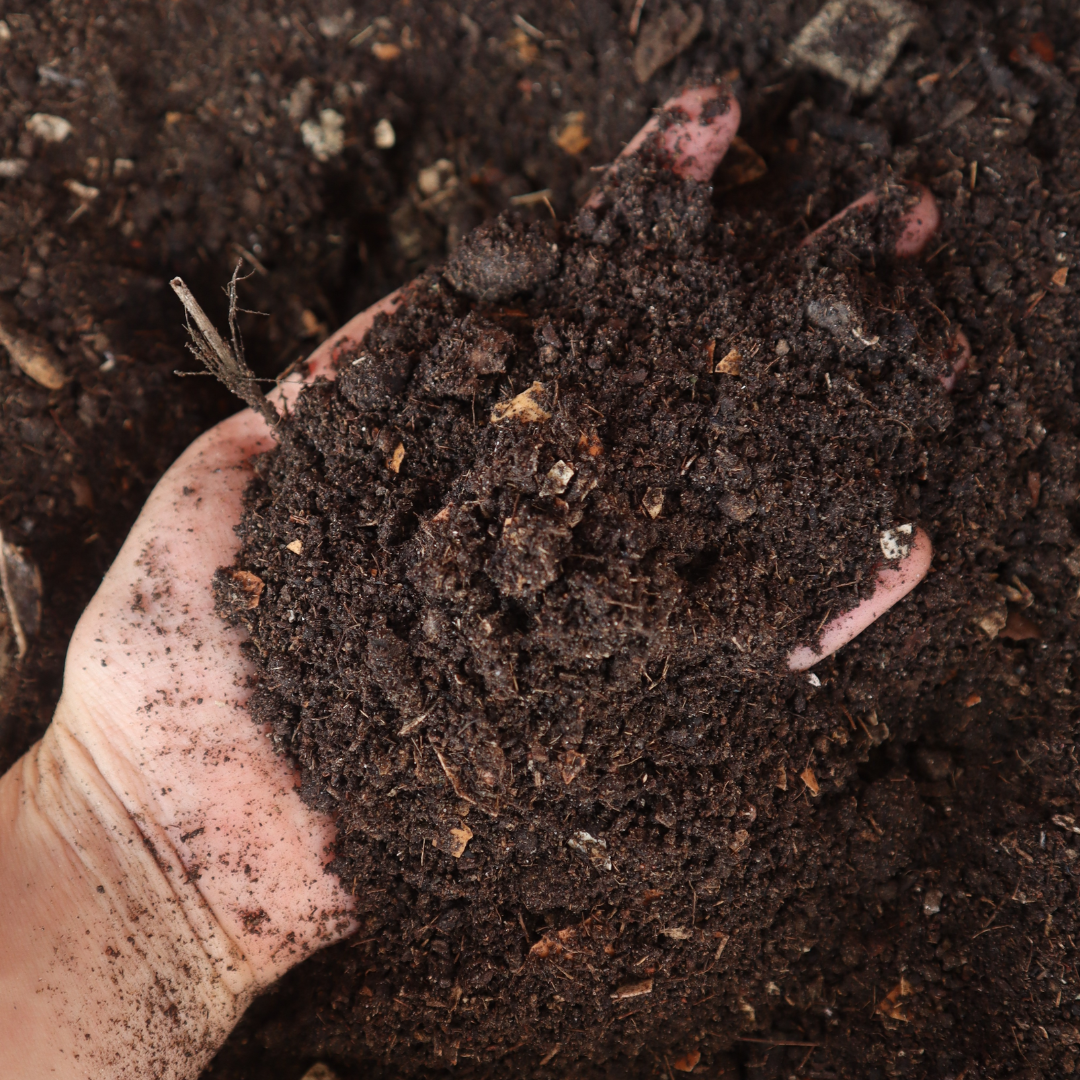
Compost is a nutrient-rich soil amendment created through the natural decomposition of organic matter. It is produced by combining organic materials such as food scraps, yard trimmings, and plant residues in a controlled environment that promotes microbial activity and breakdown. Over time, these materials break down into a dark, crumbly substance known as compost. Compost is valued for its ability to improve soil structure, enhance nutrient content, promote beneficial microbial activity, and increase water retention in gardens and agricultural fields. It represents a sustainable approach to recycling organic waste, reducing landfill contributions, and supporting healthy plant growth in eco-friendly practices.


Materials
Materials that can be composted include a mix of carbon-rich (brown) and nitrogen-rich (green) materials. Carbon-rich materials, like dry leaves, shredded cardboard, and wood chips, provide structure and energy for microorganisms. Nitrogen-rich materials, such as fruit and vegetable scraps, coffee grounds, and grass clippings, supply proteins and other nutrients that accelerate decomposition. Balancing these materials is key to maintaining an effective composting process. The ideal carbon to nitrogen ratio is typically around 25-30 parts carbon to 1 part nitrogen. This balance ensures optimal conditions for microbial activity, leading to faster breakdown of organic matter into nutrient-rich compost.
-
Any and all types of organic materials such as kitchen scraps like fruit and vegetable peels, coffee grounds, and eggshells, along with yard waste such as grass clippings and leaves. Paper products like shredded newspaper and cardboard are compostable, as are other organics such as wood chips, straw, animal waste, and cotton materials.
-
The composting process typically takes anywhere from a few weeks to several months, depending on various factors such as the size of the compost pile, the balance of carbon and nitrogen (Cratio), moisture levels, temperature, and how often the pile is turned or aerated. In ideal conditions with regular turning and adequate moisture and temperature (around 130-160°F or 55-70°C), compost can be ready in about 1 to 4 months.
-
Compost can be applied in gardens, lawns, farm ground, and urban landscapes to improve soil health and fertility. It enhances soil structure, increases nutrient availability, improves water retention, and supports healthier plant growth. Compost is also used in potting mixes for container gardening to provide essential nutrients and promote sustainable gardening practices.
Composting: a soil health practice.
Check out this 5 minute video on the process of creating compost and the soil health significance of utilizing compost in agriculture.